Is Spinal Decompression Right for You? Find Out Who Benefits Most
Checking Out Spinal Decompression Techniques: What You Need to Know for Better Spine Treatment
Spinal decompression methods are vital for individuals experiencing chronic back pain or spinal concerns. These approaches range from non-invasive treatments to surgical options, each designed to soothe pressure on the back. Comprehending these strategies is necessary for effective spinal column care. Nonetheless, not all methods are ideal for each problem. The subtleties behind each method warrant better examination, as they can significantly influence recuperation and total health and wellness end results. What aspects should one consider before making a choice?
Recognizing Spinal Decompression
Although spinal decompression may appear complicated, it fundamentally describes a variety of methods aimed at relieving stress on the spine and surrounding nerves. Spinal Decompression. The spine is an important structure that supports the body and secures vital neurological pathways. When compression takes place, it can bring about discomfort, pain, and minimized movement. Understanding spinal decompression involves recognizing the reasons for this pressure, such as herniated discs, spinal stenosis, or injury. By addressing these underlying concerns, decompression strategies look for to bring back proper positioning and feature. This process can involve both surgical and non-surgical approaches, customized to specific patient demands. The goal is to enhance the lifestyle by alleviating pain, enhancing posture, and promoting far better activity. As awareness of spinal health grows, the value of recognizing spinal decompression comes to be increasingly pertinent for those looking for effective therapy alternatives
Usual Spinal Decompression Techniques
Spinal decompression methods encompass a series of techniques made to eliminate pressure on the spine and its affiliated frameworks. These methods can be broadly classified into non-surgical and medical methods. Non-surgical approaches include spinal grip, where mild drawing pressures are related to the back, producing room in between vertebrae. This can alleviate nerve compression and advertise healing. Chiropractic modifications also fall under this category, focusing on realigning the spinal column to improve function.
Surgical decompression methods include procedures such as laminectomy, where a portion of the vertebra is gotten rid of to ease pressure on the spinal cable or nerves. Discectomy, one more medical choice, requires the elimination of herniated disc material. Additionally, minimally invasive methods, like endoscopic discectomy, are gaining popularity due to their reduced recovery times. Each technique offers a certain function and may be chosen based upon specific patient requirements and the severity of their spinal problem.
Benefits of Spinal Decompression
When considering the numerous techniques to handling spinal issues, the advantages of spinal decompression techniques end up being obvious. These techniques intend to soothe pressure on the spinal discs and nerves, which can reduce pain and enhance total spinal health and wellness. By creating room between vertebrae, decompression promotes enhanced blood circulation and nutrient circulation to the affected locations, assisting in recovery and recuperation.
In addition, spinal decompression can help recover the natural alignment of the back, possibly minimizing the risk of future injuries. Clients usually report boosted wheelchair and versatility following therapy, causing a better top quality of life. In addition, the reduction in pressure can minimize signs linked with problems such as herniated discs, sciatica, and spinal constriction, providing a non-invasive choice to even more invasive procedures. In general, spinal decompression link techniques supply a web link series of restorative and physical advantages, making them a useful part of extensive spine care.
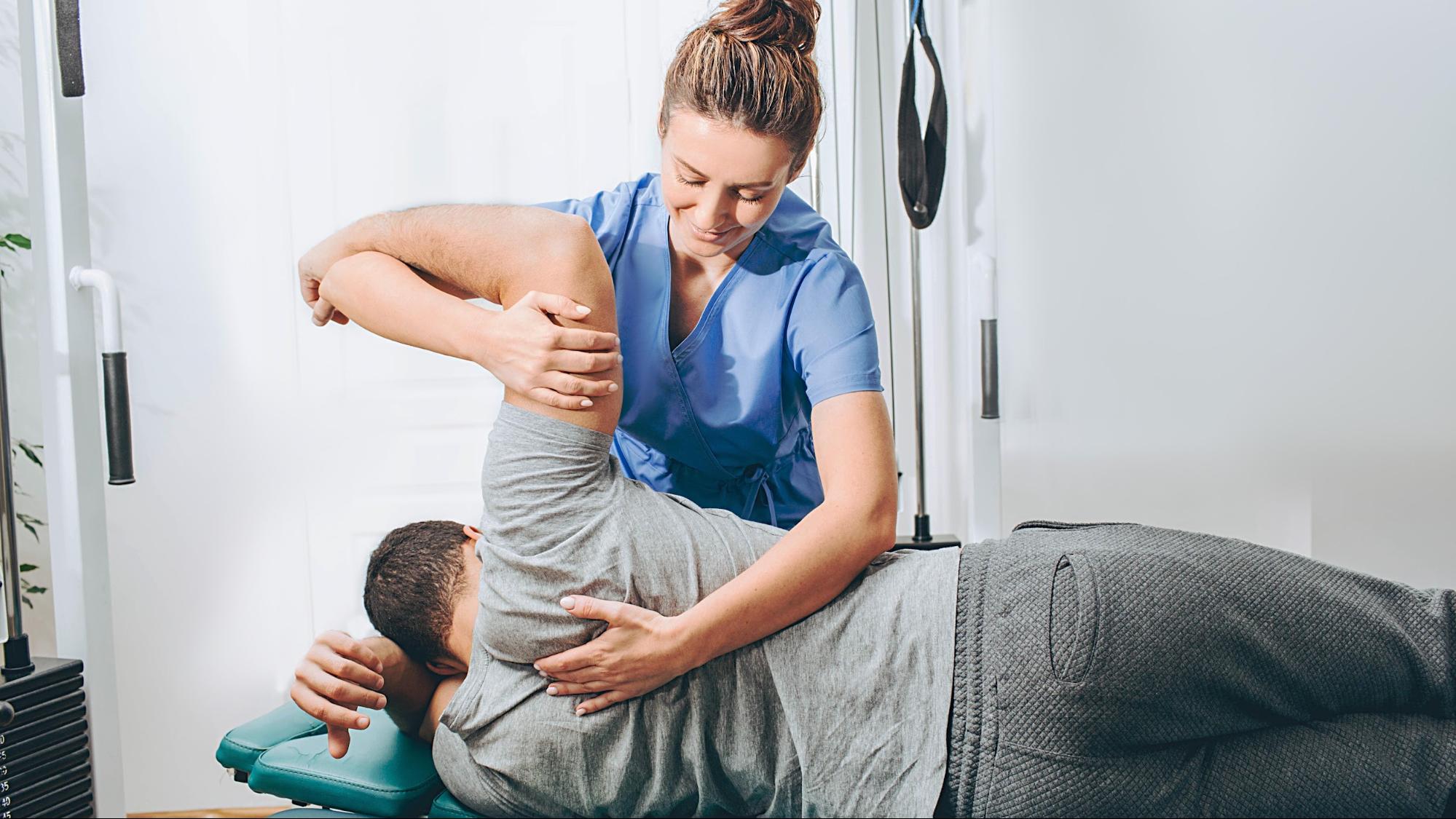
That Can Benefit From Spinal Decompression?
Individuals dealing with persistent neck and back pain, herniated discs, or spinal constriction may discover considerable relief via spinal decompression techniques. This non-invasive treatment can be particularly helpful for those experiencing nerve compression signs and symptoms, such as prickling, feeling numb, or weakness in the arm or legs. Professional athletes recouping from injuries or individuals with degenerative disc illness might additionally take into consideration spinal decompression as a viable alternative for discomfort monitoring and boosted wheelchair.
Furthermore, prospects for spinal decompression frequently consist of those that have not responded well to traditional therapies, such as medicines or physical therapy. It can likewise serve as a choice for people looking for to avoid medical intervention. Generally, spinal decompression methods can offer a healing alternative for different individuals encountering spinal issues, assisting them restore a better of life and functional capability. Consulting a healthcare expert is important to figure out the suitability of this treatment for details conditions.
Considerations and Precautions for Spinal Decompression

The kind of spinal decompression strategy-- whether non-surgical or surgical-- should straighten with the individual's specific problem and general wellness condition. Tracking throughout the treatment is essential to attend to any damaging reactions promptly. Individuals need to also recognize that spinal decompression is not a one-size-fits-all remedy; a considerable treatment strategy may include physical therapy or way of living modifications to support recuperation. In general, sticking to these precautions can substantially enhance the effectiveness of spinal decompression treatments and promote suitable spine health and wellness.

Often Asked Inquiries
For how long Does a Typical Spinal Decompression Session Last?
A common spinal decompression session lasts in between 30 to 45 mins. This period permits perfect treatment while making sure the person remains comfy and receives appropriate interest to their specific spinal problems and requirements.
Can Spinal Decompression Be Done in your home?
Spinal decompression can be done in the house with details workouts and devices, such as inversion tables or back dental braces. Examination with a health care expert is advised to assure safety and security and performance in specific situations.
Is Spinal Decompression Painful?
Spinal decompression is usually not unpleasant; nevertheless, people may experience mild pain or stress during the procedure. Discomfort degrees can vary based upon the individual's problem and the technique used for decompression.
Just How Several Sessions Are Generally Required for Relief?
Generally, people may call for 6 to 10 sessions of spinal decompression therapy to experience substantial relief (Back Decompression Therapy). The precise number can differ based on specific conditions and actions to therapy, necessitating tailored evaluation by health care specialists.
Exist Any Type Of Age Constraints for Spinal Decompression?
There are generally no stringent age restrictions for spinal decompression therapy. Viability might depend on specific health conditions and the specific technique used, so assessment with a health care expert is suggested for tailored advice.
Spinal decompression techniques are vital for individuals experiencing chronic back discomfort or spinal problems. Spinal decompression might seem facility, it basically refers to a selection of strategies intended at alleviating pressure on the spinal cable and surrounding nerves. When taking into consideration the numerous strategies to taking care of spinal concerns, the advantages of spinal decompression strategies come to be obvious. People experiencing from chronic back pain, herniated discs, or spinal constriction might discover considerable alleviation through spinal decompression techniques. Overall, spinal decompression strategies can supply a restorative option for numerous people encountering spinal concerns, assisting them regain a higher quality of life and practical capability.